





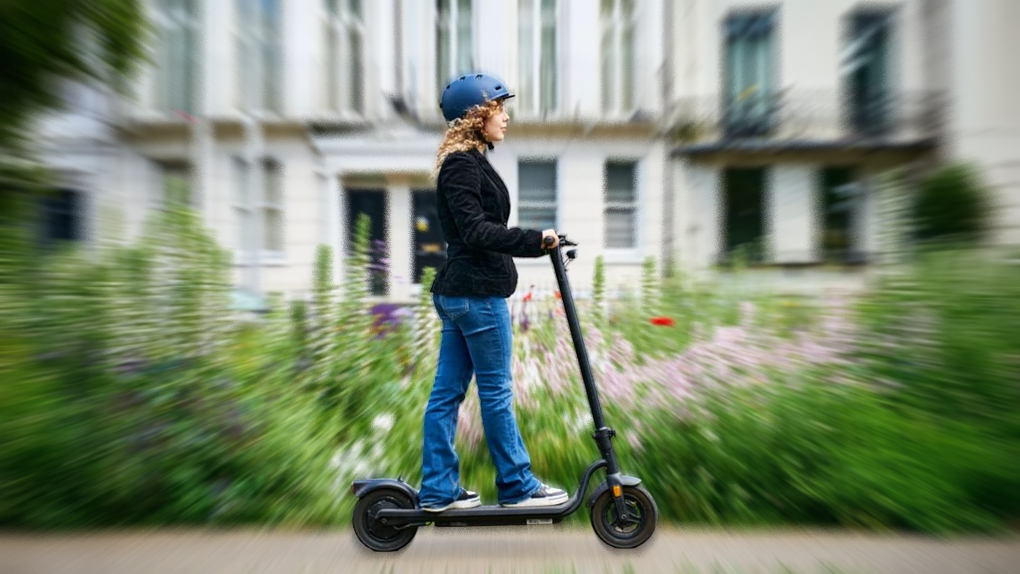
Children riding e-scooters and recreational motorbikes on residential roads face increased accident risks, even when drivers appear to be cautious. Road safety experts warn that motorists may sometimes look directly at young riders but still fail to recognise them in time to avoid a crash.
As outdoor activity increases during Ramadan and other holiday periods, more teenagers are using electric mobility devices in neighbourhoods. At Galadari Motor Driving Centre (GMDC), we believe this growing trend calls for greater awareness from both drivers and parents.
According to road safety specialists, the danger is not only children’s limited road
awareness but also how the human brain processes what drivers see on the road.
The Brain Processes What the Eyes See
“It’s not actually the eyes that do the seeing; it’s the brain.” Drivers are trained over many years to recognise cars, trucks and full-sized motorcycles. Smaller mobility devices such as e-scooters and recreational bikes are not always immediately registered by the brain.
This leads to a well-documented phenomenon known as “looked but failed to see,” where a
motorists may visually scan the road yet fail to recognise a smaller or unexpected road user.
As a result, a driver can look in the direction of a child on an e-bike but may not consciously register the potential danger because they were not expecting to see that type of vehicle.
Why Smaller Size Equals Bigger Risk
Unlike licensed motorcycles, recreational bikes used by teenagers often lack critical visibility features. This creates a “perfect storm” for residential accidents:
- Lack of Lighting: Most e-scooters have low-intensity lights that are easily lost in the glare of streetlamps or parked car reflections.
- No Reflective Gear: Without high-visibility (Hi-Vis) vests, a teenager’s profile is almost invisible at dusk or dawn.
- The Training Gap: Even professionally trained, licensed motorcyclists wearing full protective gear face risks. For an untrained teenager with no knowledge of road rules, the risk of a fatal incident is exponentially higher.
Children’s Ability to Judge Dange
Experts also emphasise that children and teenagers often lack the cognitive ability and reaction time required to safely navigate shared road environments, especially where vehicles, pedestrians and cyclists interact.
- False Sense of Security: Residential streets often have lower speed limits, which leads to a dangerous lack of vigilance.
- Physical Vulnerability: The human body is not as robust as people may think. Even a simple fall from standing height onto pavement can cause serious head injury or, in extreme cases, be fatal.
- Blind Spots: Parked SUVs and narrow community corners create blind spots that hide small riders until it is too late for a vehicle to stop.
A Call for Greater Awareness
Road safety authorities and experts are urging parents to closely supervise how and where children use electric mobility devices and ensure that proper safety equipment is worn at all times.
At GMDC, we believe Road Safety awareness must improve before a serious tragedy forces stricter measures. Proactive education, responsible driving habits and community cooperation are essential to preventing avoidable accidents.
Road safety is a shared responsibility. By staying alert, expecting the unexpected, and ensuring young riders are properly supervised and protected, we can create safer residential communities for everyone.